The revival of a custom that had last taken place in 2010, took place in Agios Nikolaos, with the Educational Association of the area "reviving" the Vlach wedding. The children of the area this year decided to recreate the wedding in order to "initiate" the younger generations, something they achieved as the participation was large.
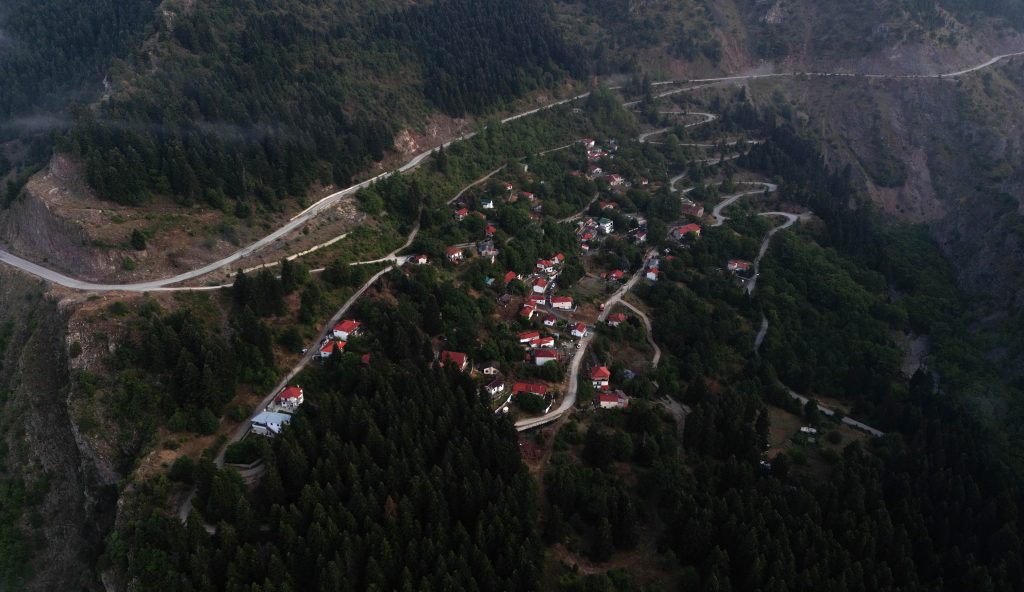
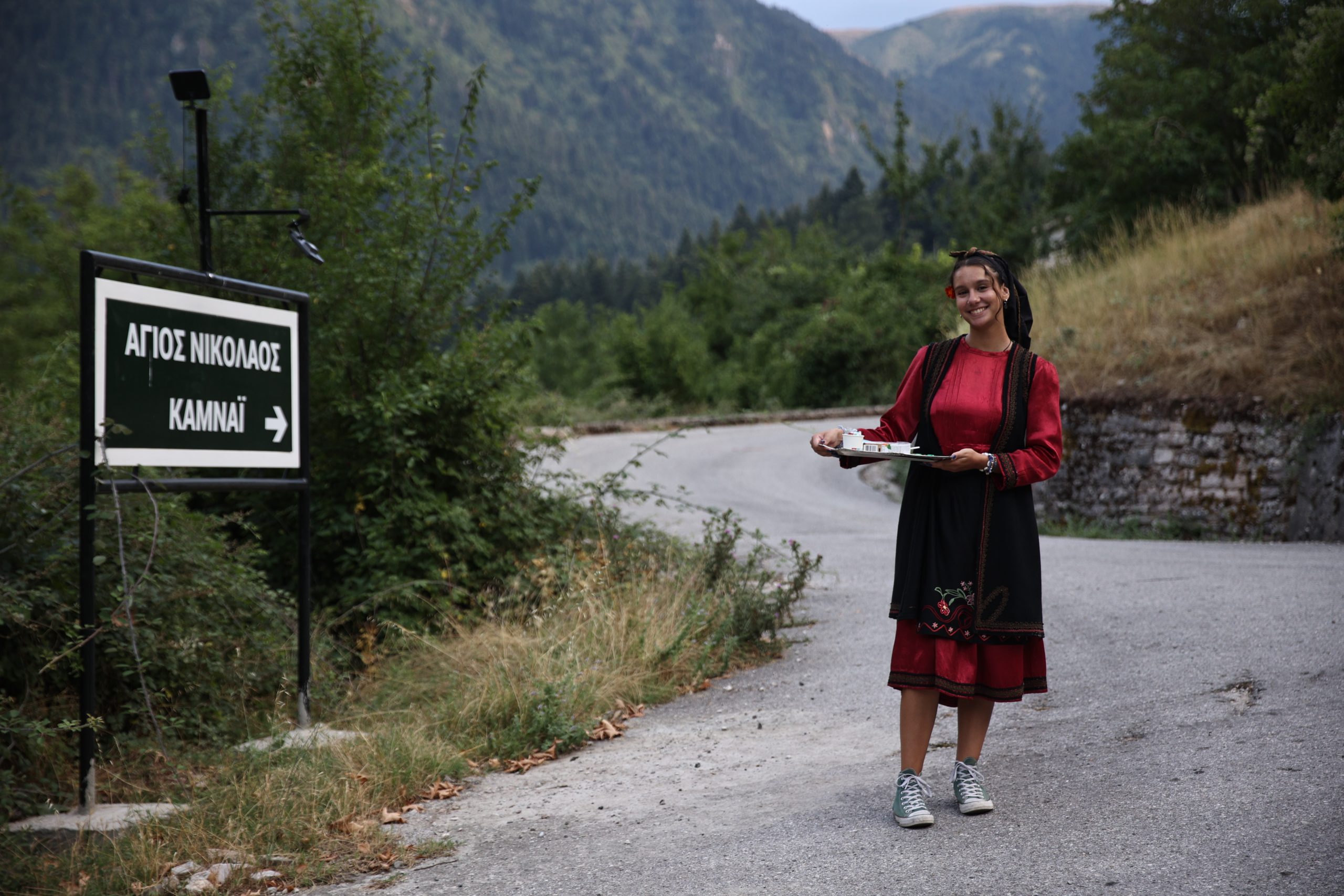
The Aromanian wedding is one of the most famous folklore celebrations representing a traditional wedding of the Greek countryside. Specifically, in the village of Agios Nikolaos – Kamnai it is celebrated on the eve and day of the feast of Agia Paraskevi, July 25 and 26.
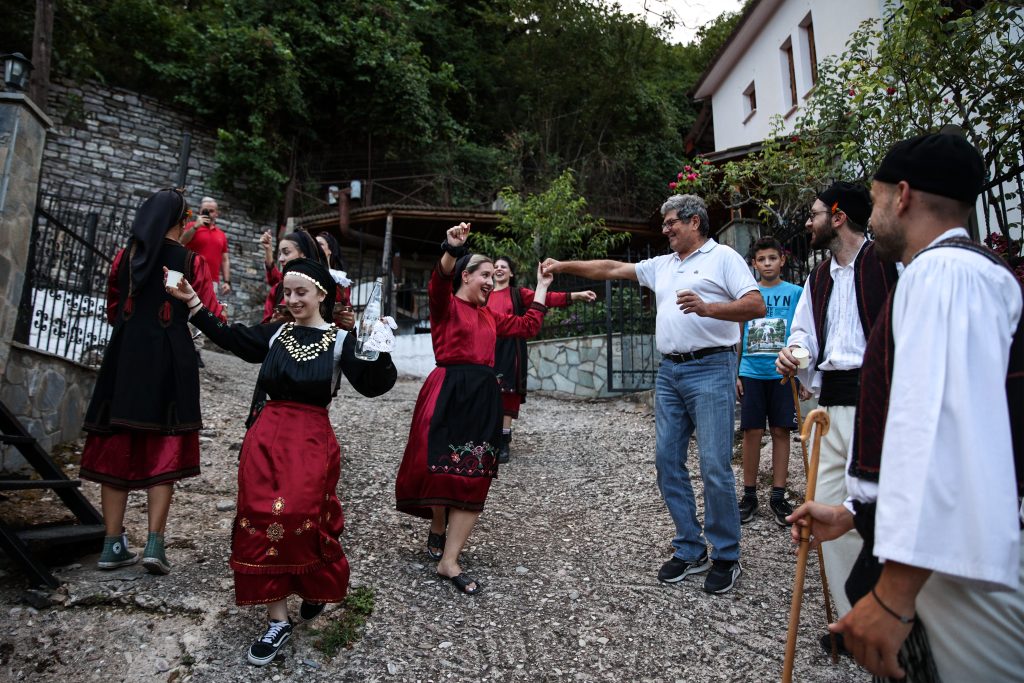
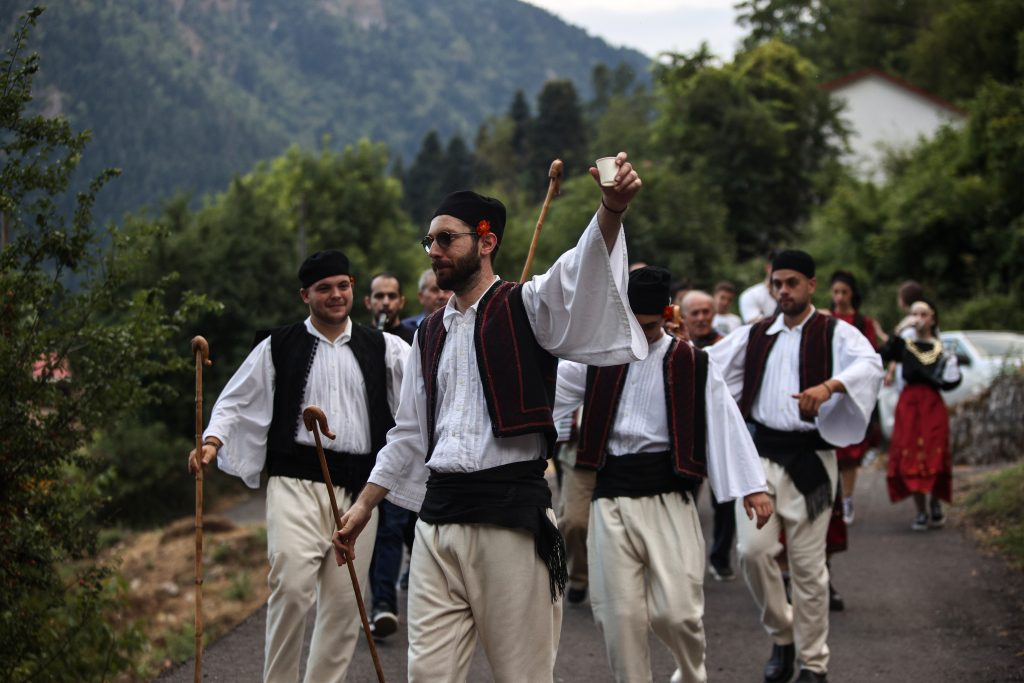
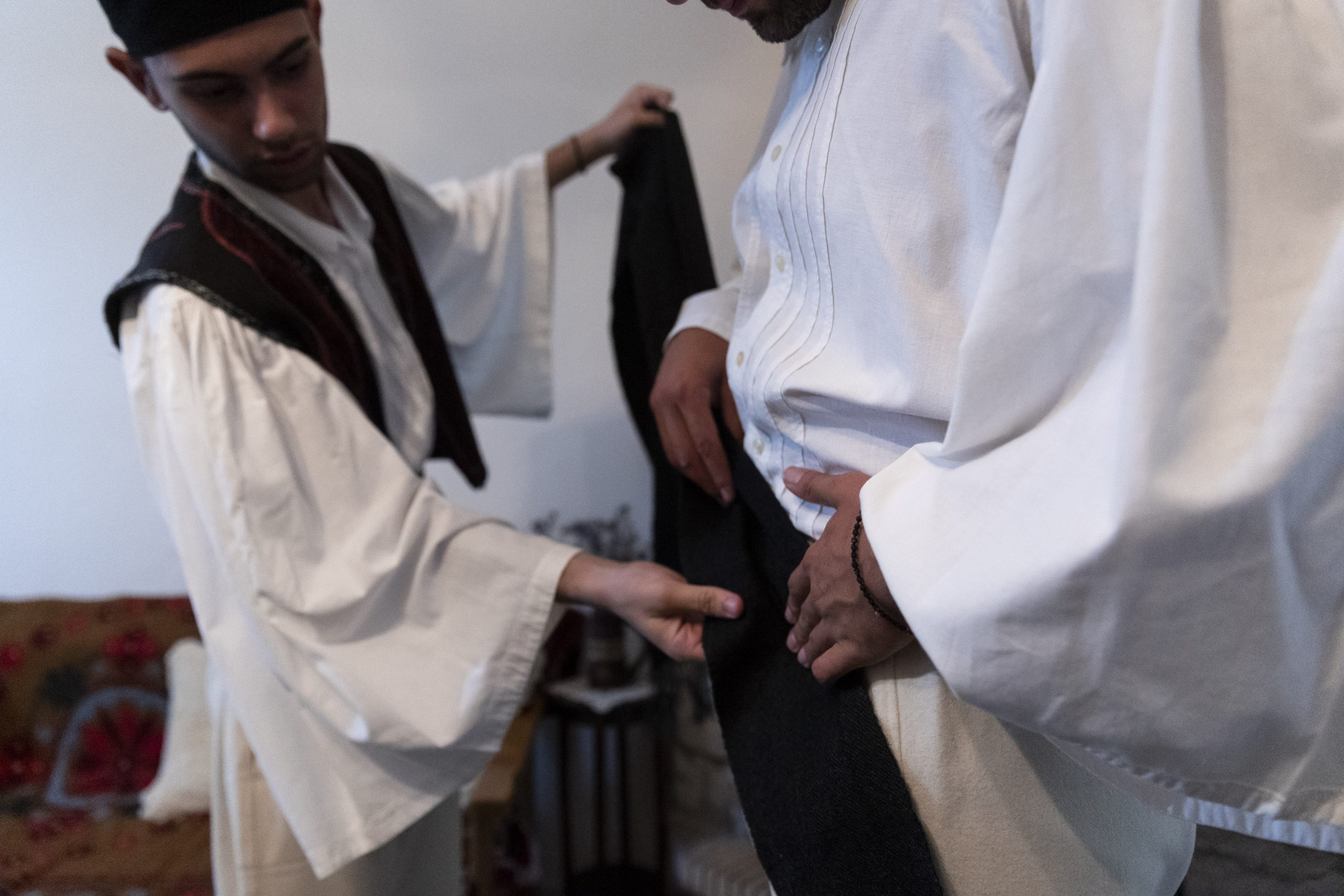
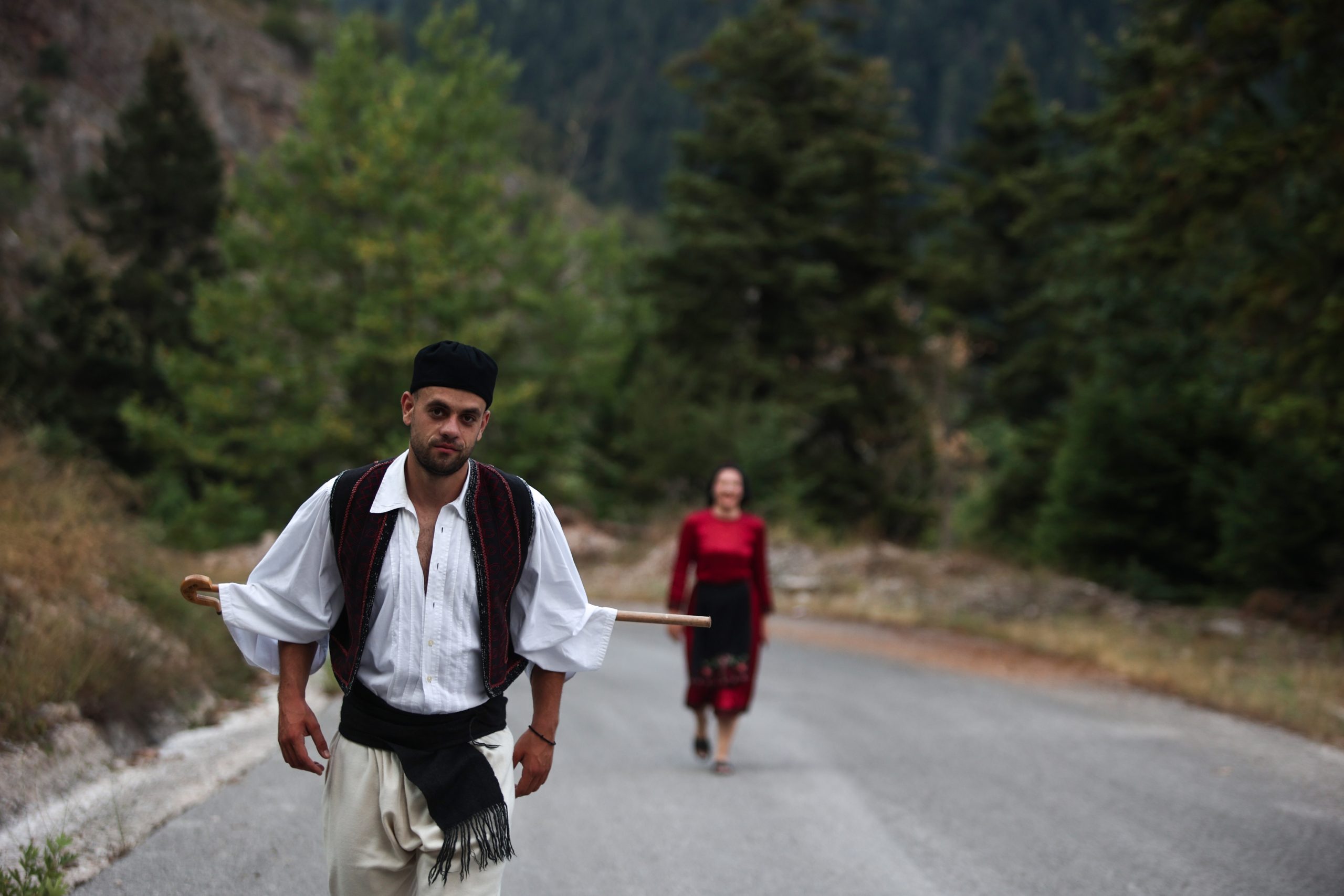
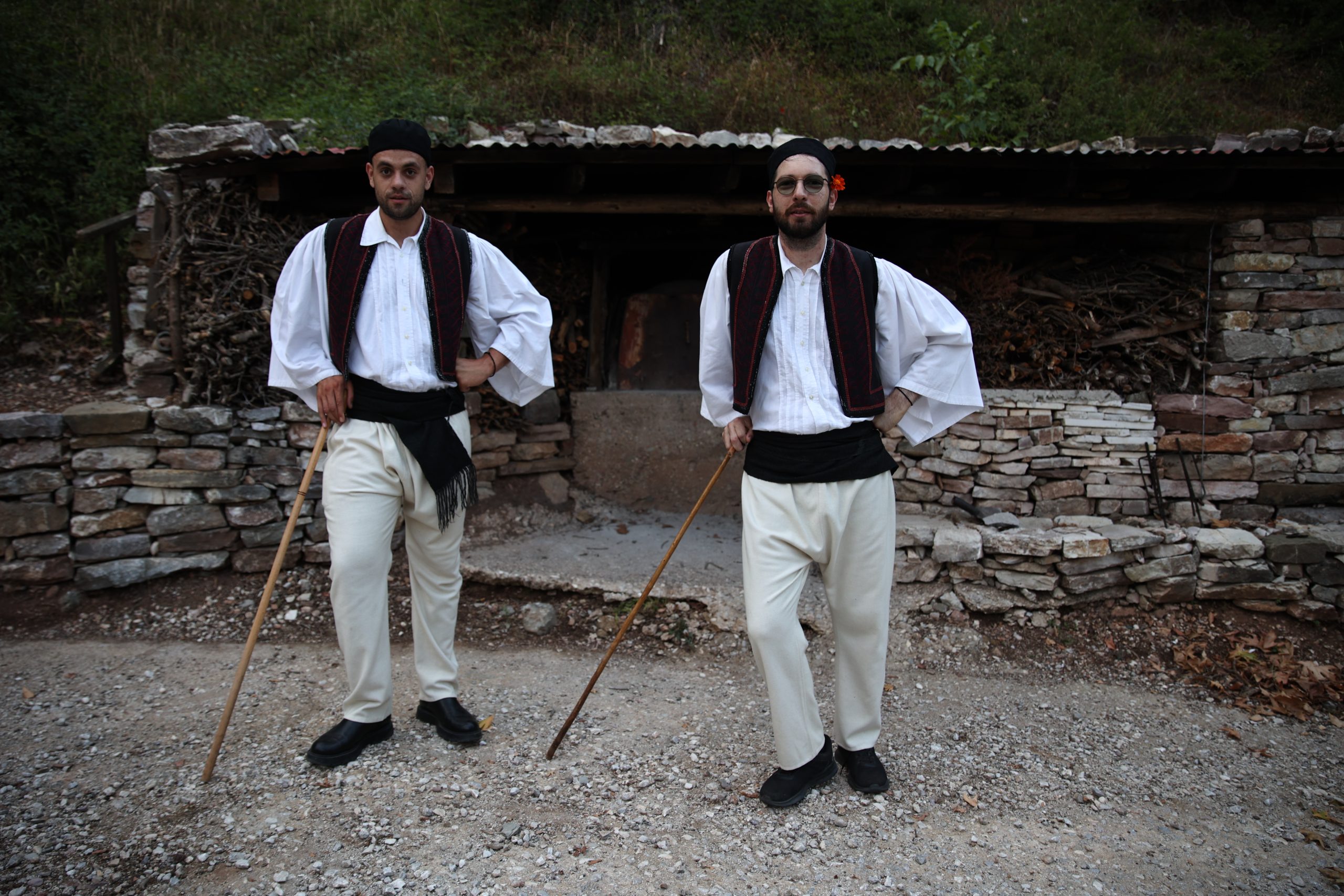
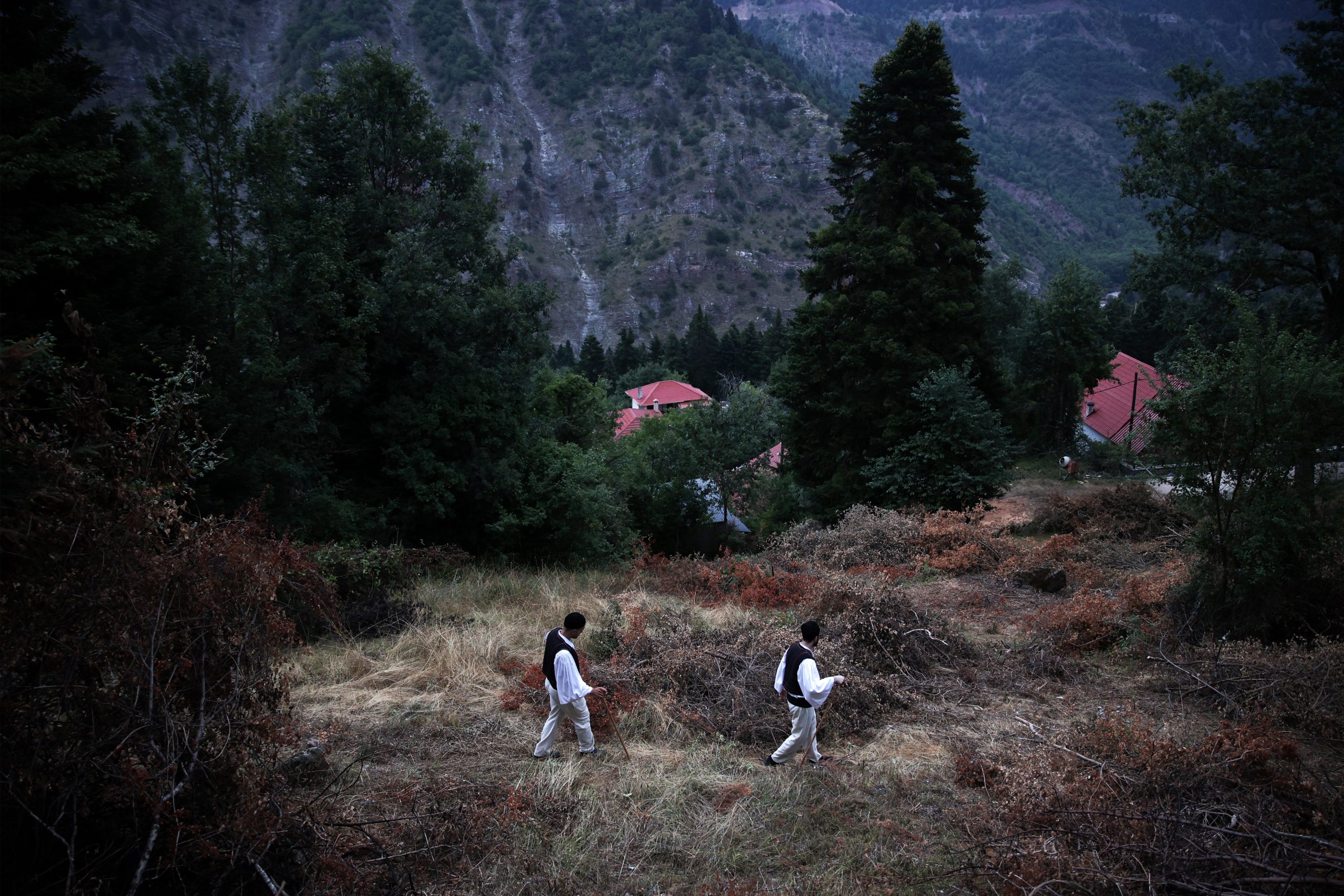
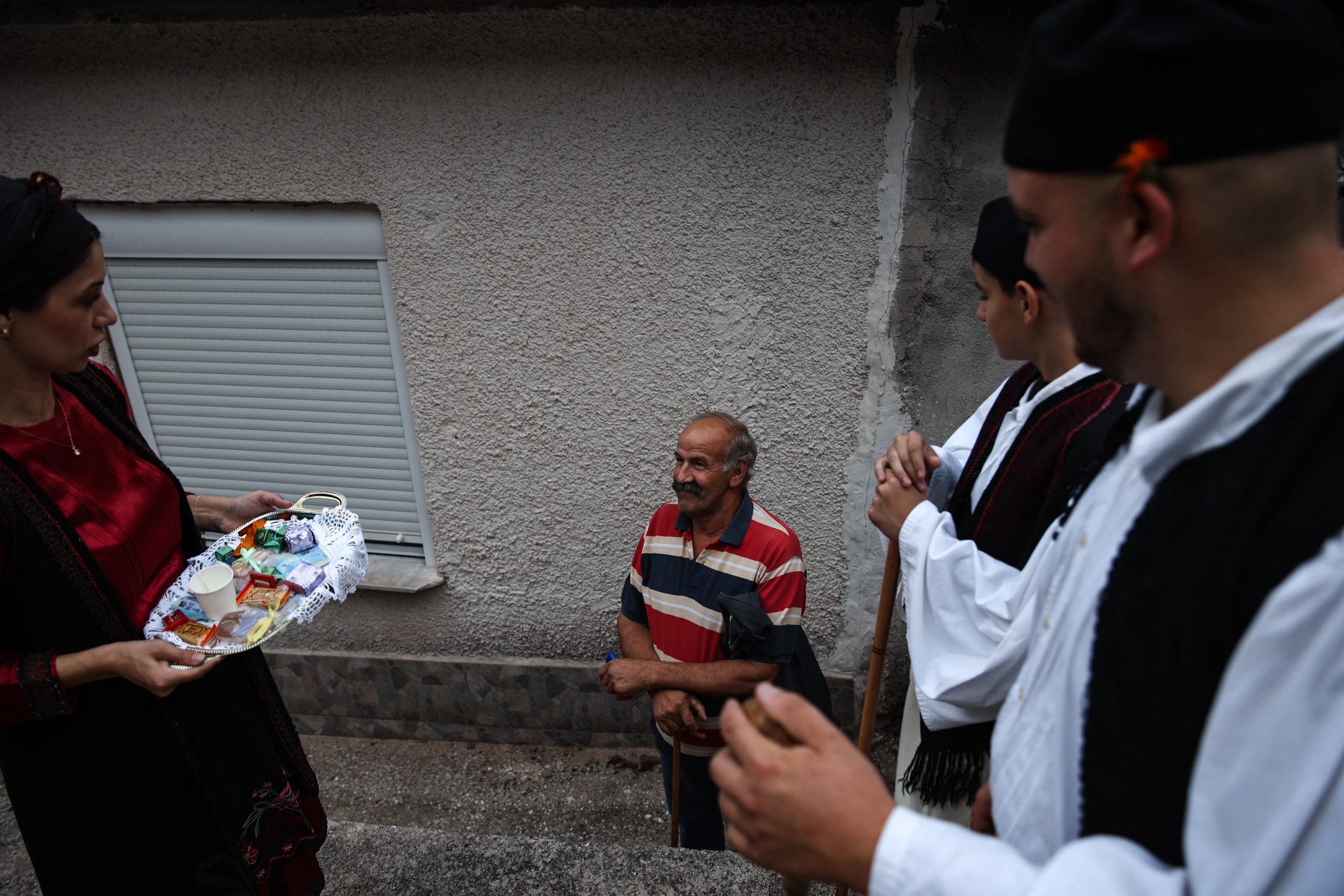
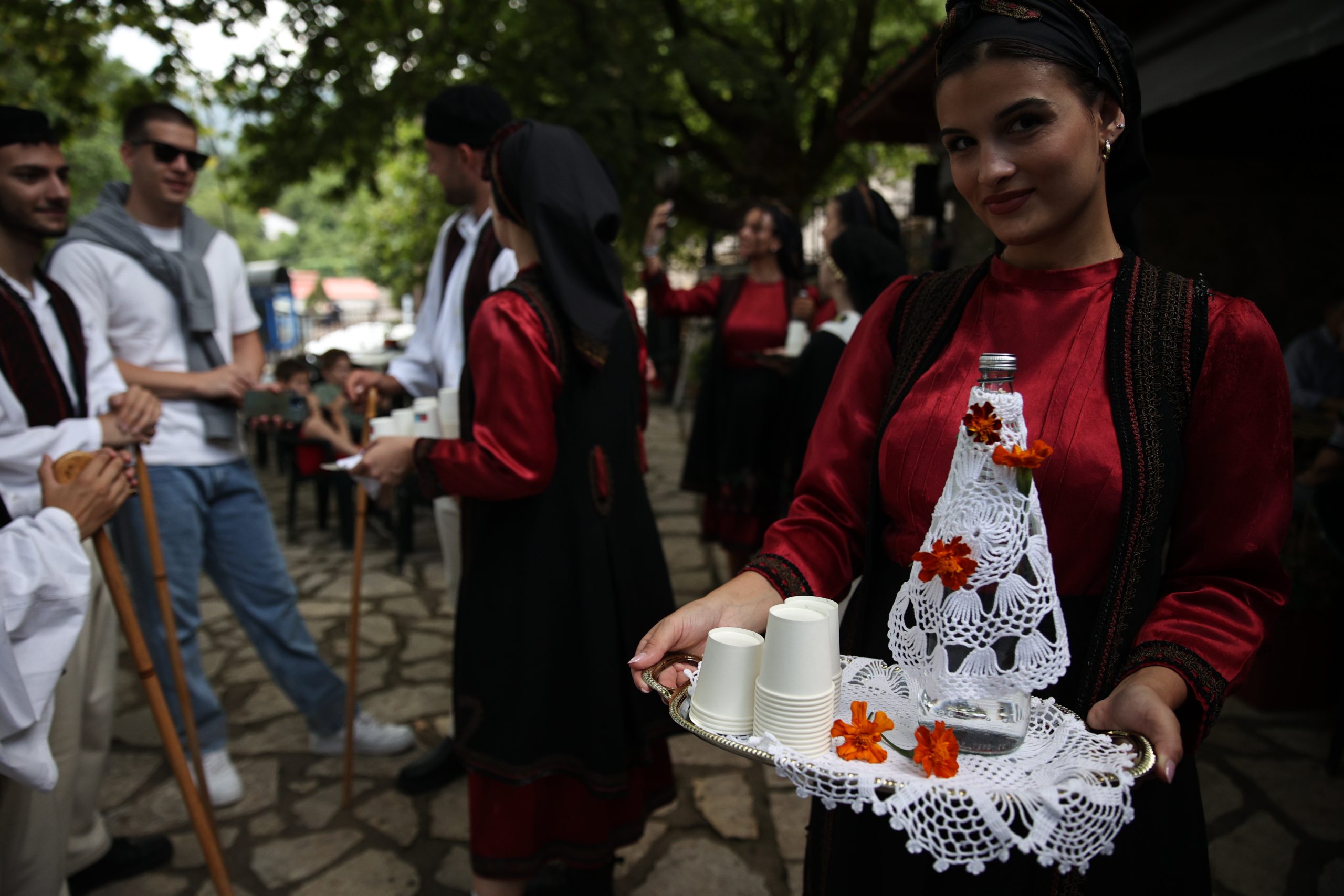
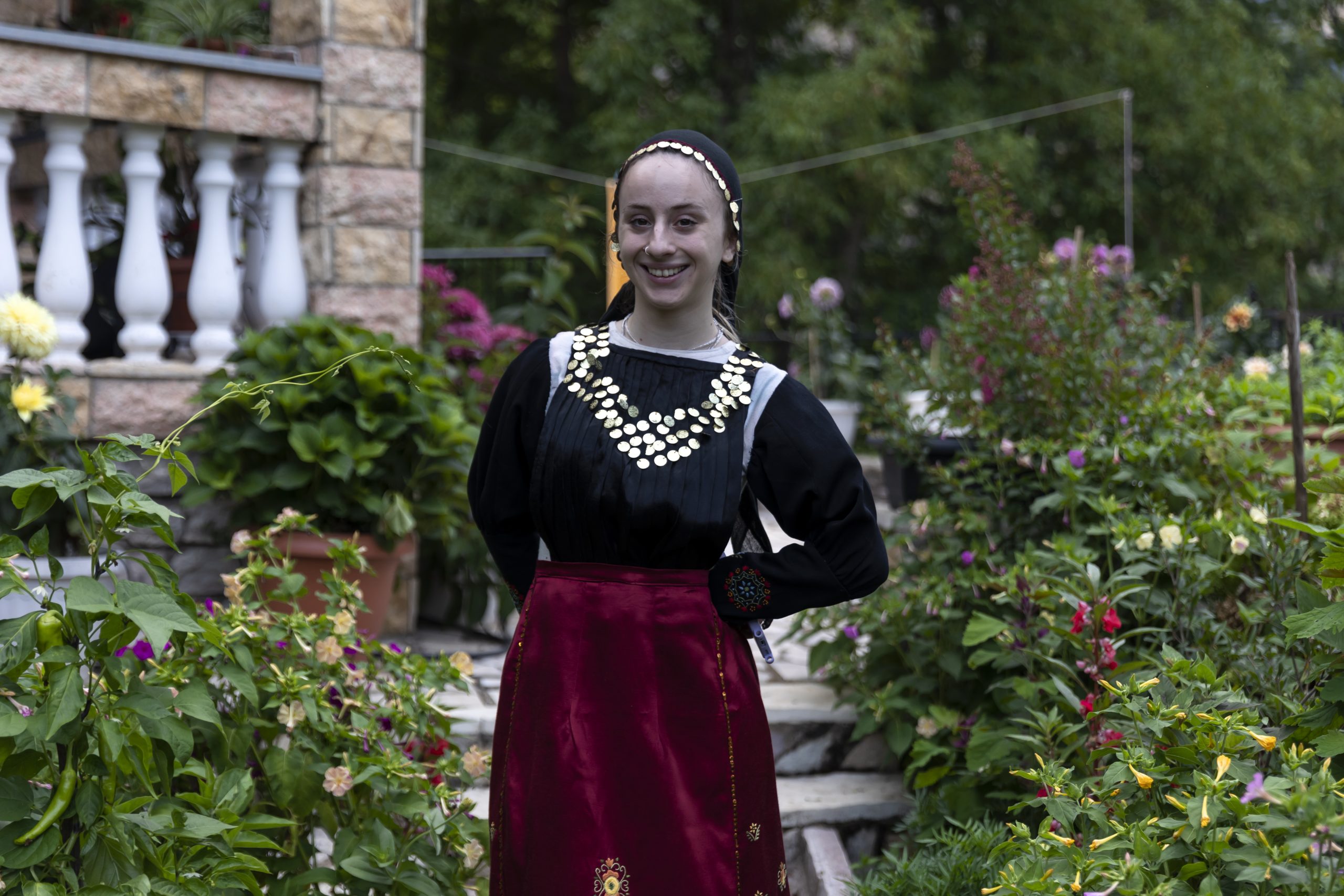
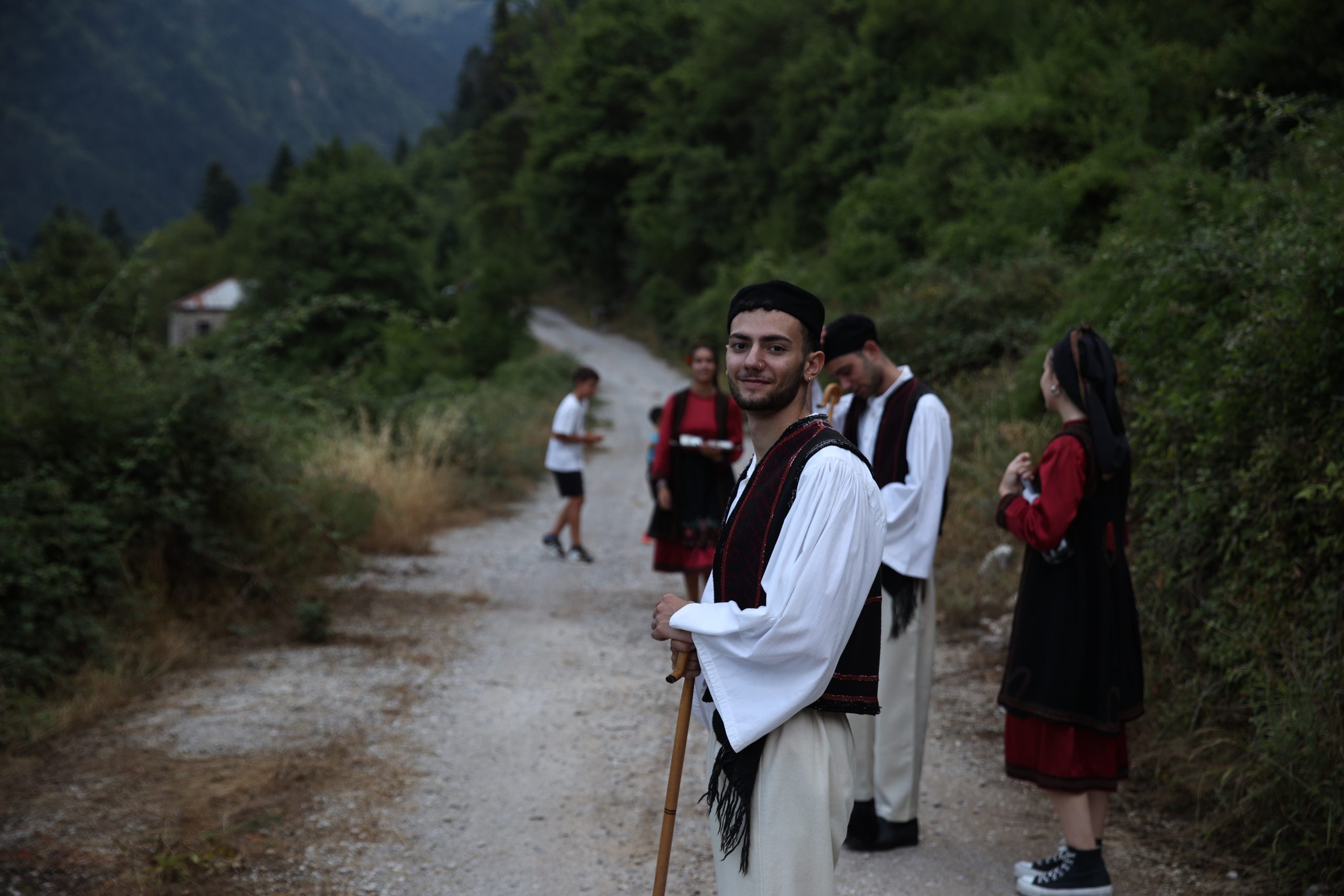
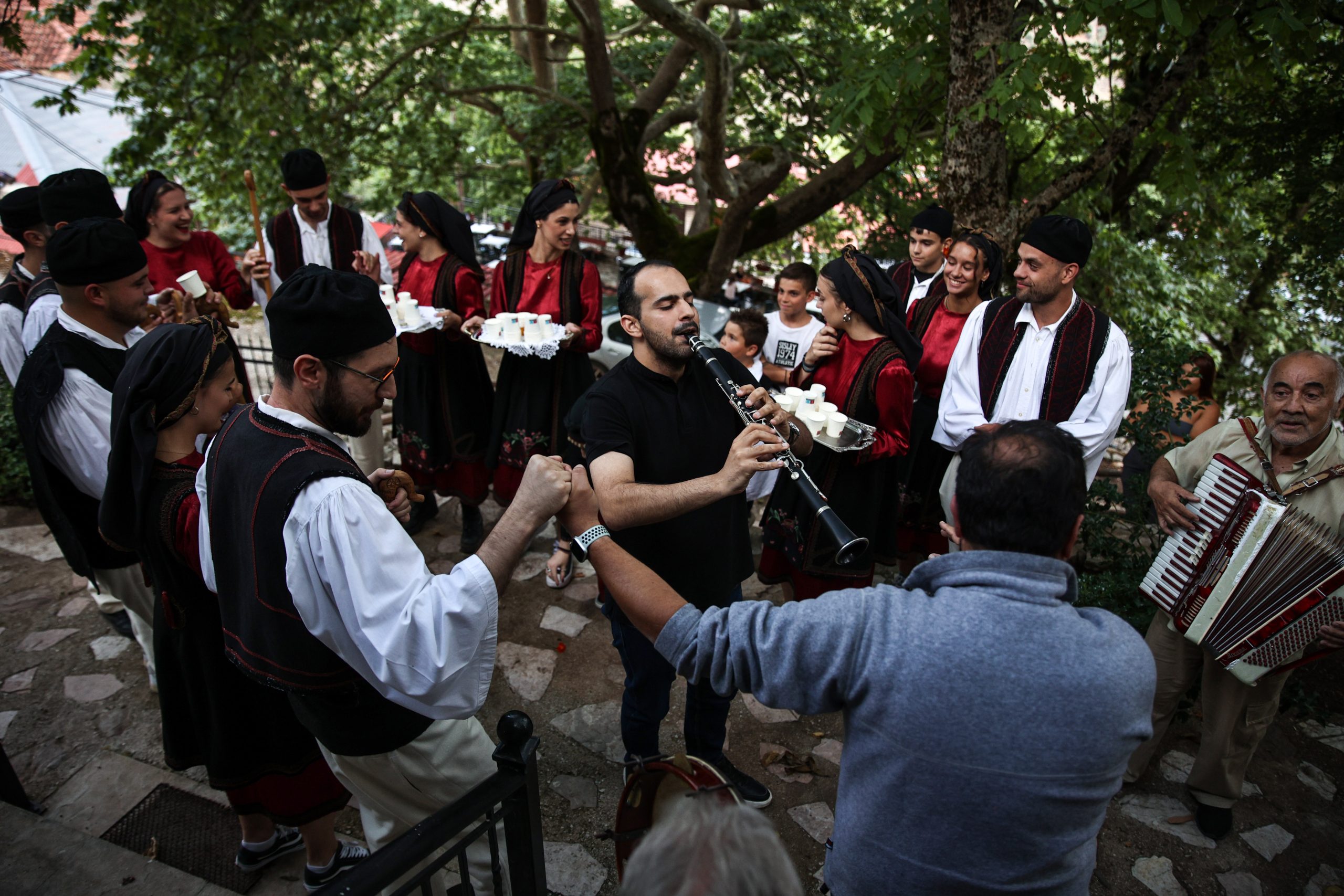
On the eve of July 25, the youth of the village, dressed in traditional costumes and accompanied by musicians, invites the residents from house to house to the wedding. The next day, on the day of Agia Paraskevi, the revival of the Vlach wedding begins right after the ceremony and specifically at the moment when the bride – characteristic is the fact that a man is dressed as a bride – and the groom go to the groom's house, where the in-laws are waiting for them.
The whole representation takes place in the village square. The bride's in-laws arrive first at the square along with the vlachs and wait for the couple. Then the bride, the groom, the piggy bank and the vlamides arrive, dancing to the accompaniment of the orchestra.
As soon as the newlyweds arrive at the in-laws' house, the bride throws the father-in-law a white towel, which declares her purity. Then the father-in-law passes a chain through the head of the newlyweds to anchor the newlyweds and at the same time the couple passes an iron, which is on the ground. Then the mother-in-law feeds the bride and groom spoon sweets so that they have a sweet life full of joy and happiness.
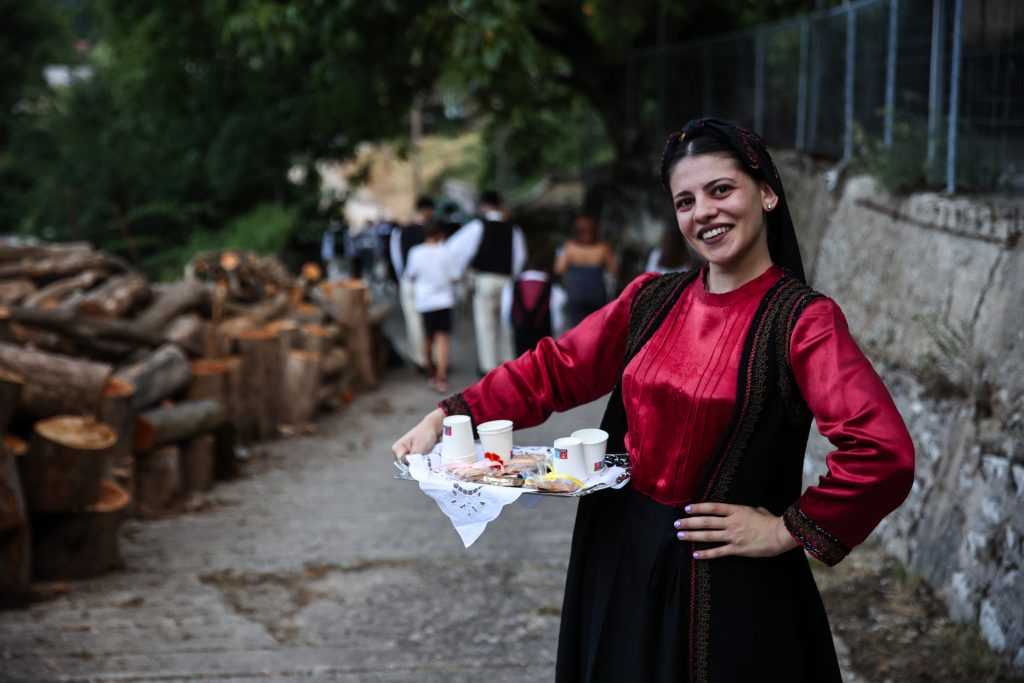
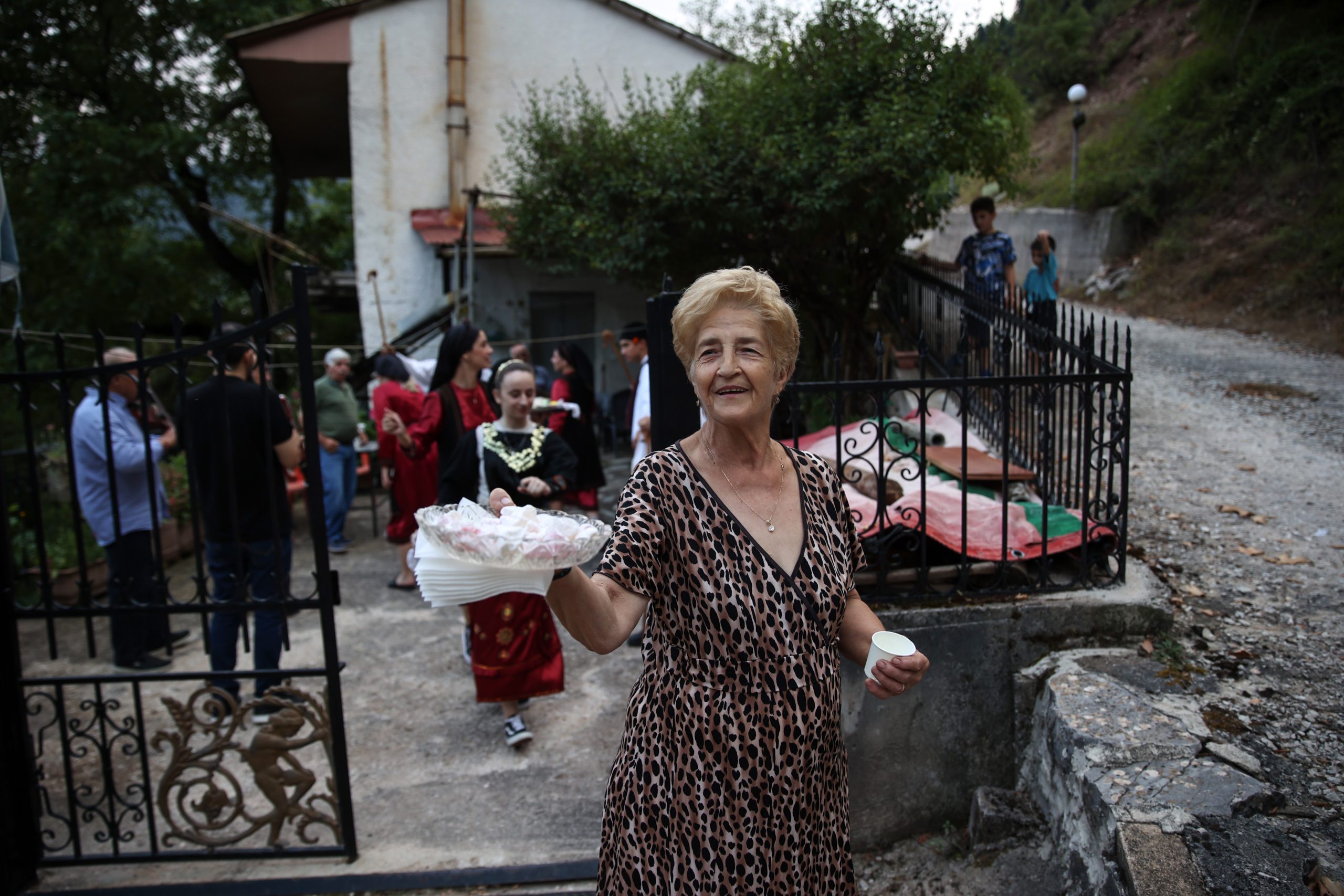
Once the above is done, the vlachs offer loukoumi throughout the square and the dances begin. The piggy bank dances first, then the father-in-law, mother-in-law, groom, daughter-in-law, followed by the rest of the relatives.
After everyone dances, the bride sits in a chair and brings a baby, a boy to her feet, because at that time they thought that boys offered at home while girls spent. The people standing behind the bride in a semicircle shout "with boys, with boys" so that the bride can give birth to boys. Finally, all the relatives leave with a slow pace and singing the song "Now we sympathere".





 English
  Greek
Greek